

Blog
Vietnam Coconut Export: Fresh Coconut, Frozen Coconut and Coconut Products

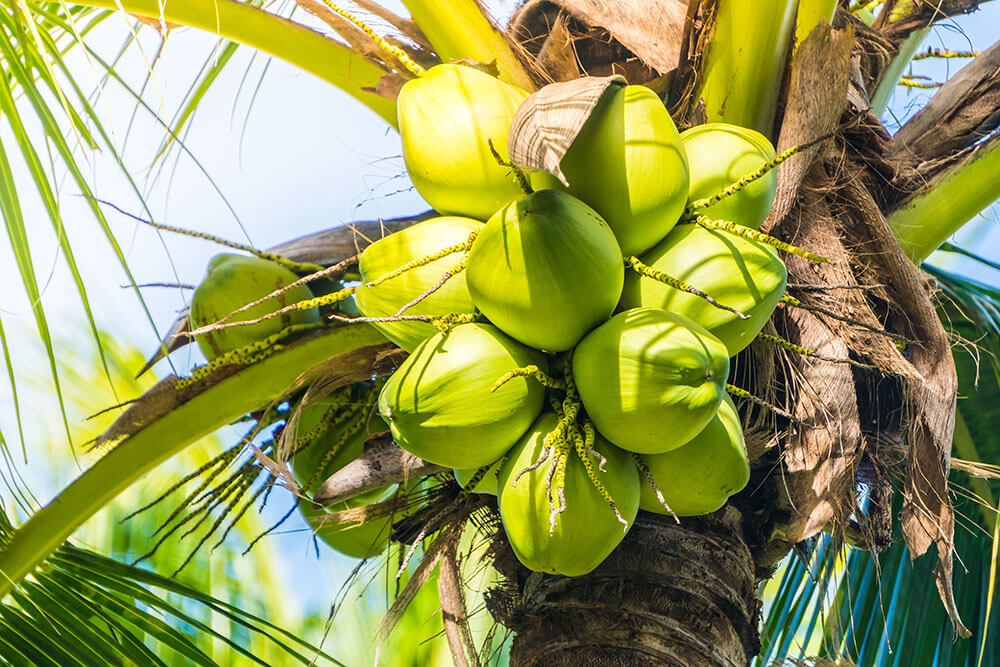
Vietnam is one of Southeast Asia’s important coconut-growing countries, with favorable tropical conditions for producing coconuts throughout the year. Vietnamese coconuts are increasingly used in international markets for fresh consumption, beverages, food processing, and a wide range of coconut-based products.
For international buyers, Vietnam can offer not only fresh coconuts, but also frozen coconut products, coconut water, coconut milk, coconut cream, coconut meat, desiccated coconut, coconut oil, coconut fiber and other processed products.
This guide provides an overview of Vietnam’s coconut export industry and the main products available for international buyers.
1. Why Source Coconuts from Vietnam?
Vietnam has several advantages as a coconut sourcing destination.
Tropical Growing Conditions
Coconut trees grow well in Vietnam’s tropical climate, particularly in the southern Mekong Delta. The region provides suitable temperatures, water availability and soil conditions for commercial coconut cultivation.
Strong Production Base
Ben Tre Province is widely recognized as one of Vietnam’s major coconut-growing and processing areas. Other provinces in the Mekong Delta and southern Vietnam also contribute to coconut production.
The concentration of coconut farms, collection areas, processors and exporters makes the region an important sourcing hub.
Fresh and Processed Supply
Vietnam’s coconut industry is not limited to whole fresh coconuts. Buyers can source products in different forms depending on their market and application:
- Fresh young coconut
- Fresh mature coconut
- Peeled coconut
- Frozen coconut meat
- Frozen coconut chunks
- Frozen coconut milk
- Coconut water
- Coconut milk
- Coconut cream
- Desiccated coconut
- Coconut chips
- Coconut oil
- Coconut sugar
- Coconut flour
- Coconut fiber
- Coir products
- Coco peat
This allows buyers to develop both retail and food-service product lines from one sourcing market.
2. Vietnam Fresh Coconut Export
Fresh coconut is one of the most important export opportunities from Vietnam.
Vietnamese fresh coconuts are commonly exported as young green coconuts, particularly for drinking coconut water.
The natural coconut water inside young coconuts is popular in Asia, the Middle East, Europe and North America as a refreshing beverage.
Common Fresh Coconut Types
Depending on the supplier and market, buyers may find:
- Young green coconut
- Drinking coconut
- Mature coconut
- Trimmed coconut
- Peeled coconut
- Fresh coconut with husk
- Fresh coconut without husk
The exact product specification should be confirmed with the supplier because coconut varieties, size, maturity and packaging can vary.
Fresh Coconut Specifications
International buyers typically specify:
| Specification | Common Buyer Requirement |
|---|---|
| Product | Fresh young coconut |
| Origin | Vietnam |
| Variety | Depending on supplier |
| Size | Buyer specification |
| Weight | Depending on size |
| Maturity | Young / drinking stage |
| Skin | Green / trimmed |
| Packaging | Carton, net bag or buyer specification |
| Storage | Temperature-controlled |
| Shipping | Reefer container |
| MOQ | Depending on supplier and destination |
For commercial shipments, the final specifications should always be confirmed before quotation and production.
3. Vietnam Frozen Coconut Export
Frozen coconut products are particularly attractive for buyers who need longer storage life and greater flexibility in international transportation.
Instead of importing whole fresh coconuts, food manufacturers and distributors can purchase processed coconut ingredients that are ready for further processing.
Common Frozen Coconut Products
Vietnamese suppliers may offer:
- Frozen coconut meat
- Frozen coconut chunks
- Frozen coconut slices
- Frozen coconut cubes
- Frozen shredded coconut
- Frozen coconut milk
- Frozen coconut cream
- Frozen coconut water
Frozen products can be used by:
- Food manufacturers
- Beverage companies
- Dessert manufacturers
- Bakeries
- Restaurants
- Hotels
- Food-service distributors
- Asian grocery distributors
Advantages of Frozen Coconut
Frozen coconut provides several advantages compared with fresh whole coconuts:
Longer storage: Freezing significantly extends the usable life of coconut products compared with fresh produce.
Convenient processing: Buyers can purchase coconut meat or other ingredients in standardized forms.
Reduced waste: Processed coconut can be packed according to the buyer’s required portion and application.
Flexible transportation: Frozen products can be shipped internationally using reefer containers.
4. Vietnam Coconut Water
Coconut water is one of the most commercially attractive coconut products.
It can be sold as:
- Fresh coconut water
- Chilled coconut water
- Frozen coconut water
- Coconut water concentrate
- Bottled coconut water
- Coconut water with pulp
Coconut water is used in beverages, smoothies, sports drinks and functional beverage products.
For export, buyers may require specific requirements relating to:
- Brix
- pH
- Microbiological specifications
- Processing method
- Packaging
- Shelf life
- Additives
- Pasteurization
- Sterilization
- Certifications
The exact specifications should be matched to the regulations of the destination country.
5. Vietnam Coconut Milk and Coconut Cream
Coconut milk and coconut cream are widely used in Asian cuisine and food manufacturing.
They are commonly used in:
- Curries
- Sauces
- Soups
- Desserts
- Ice cream
- Bakery products
- Beverages
- Plant-based foods
- Ready-to-eat meals
Coconut milk generally has a lower fat concentration than coconut cream, although specifications vary between manufacturers.
For B2B export, buyers should specify their required:
- Fat content
- Total solids
- Packaging format
- Aseptic or frozen processing
- Shelf life
- Ingredients
- Additives
- Microbiological requirements
6. Desiccated Coconut
Desiccated coconut is dried coconut meat that is commonly used as an ingredient.
Typical applications include:
- Bakery
- Cookies
- Cakes
- Chocolate
- Cereal
- Granola
- Confectionery
- Snack foods
Depending on the buyer’s application, suppliers may offer different particle sizes, such as:
- Fine
- Medium
- Coarse
- Shredded
- Flaked
Buyers should specify particle size, moisture level, fat content, packaging and microbiological requirements when requesting quotations.
7. Coconut Chips and Dried Coconut
Dried coconut products are also suitable for retail and food-service applications.
Common products include:
- Coconut chips
- Toasted coconut
- Dried coconut slices
- Coconut flakes
- Sweetened coconut
- Unsweetened coconut
These products can be sold as snacks or used as ingredients in cereals, granola, bakery products and desserts.
8. Coconut Oil
Vietnam also has suppliers producing coconut oil for food, cosmetic and industrial applications.
Depending on the processing method, buyers may request:
- Virgin coconut oil
- Refined coconut oil
- Organic coconut oil
- Cold-pressed coconut oil
Coconut oil is used in:
- Food processing
- Cooking
- Cosmetics
- Personal care
- Soap manufacturing
- Nutritional products
For export transactions, buyers should confirm the required grade and applicable certifications before purchasing.
9. Coconut Fiber and Coir Products
The coconut industry also produces valuable materials from the coconut husk.
Instead of treating the husk as waste, it can be processed into products such as:
- Coir fiber
- Coir rope
- Coir twine
- Coir mats
- Coir nets
- Coir logs
- Coir mulch mats
- Coco peat
- Coco peat blocks
- Coco pots
- Coco poles
These products are commonly used in:
- Horticulture
- Landscaping
- Agriculture
- Erosion control
- Gardening
- Nursery production
- Home and garden products
This creates additional sourcing opportunities beyond food products.
10. Major Coconut-Producing Area in Vietnam
Ben Tre – Vietnam’s Coconut Hub
Ben Tre, located in the Mekong Delta, is one of the most important coconut-producing and processing areas in Vietnam.
The province has developed an ecosystem involving:
Coconut farms → collection centers → processors → packaging facilities → exporters
This ecosystem is particularly useful for international buyers looking for stable commercial supply.
Other southern Vietnamese provinces also contribute to the country’s coconut production, allowing exporters to work with multiple supply areas when necessary.
11. Coconut Export Packaging
Packaging depends heavily on the product and destination market.
Fresh Coconut
Common options include:
- Cartons
- Mesh bags
- Plastic crates
- Palletized cartons
- Buyer-specific packaging
Frozen Coconut
Common options include:
- PE bags
- Vacuum bags
- Food-grade plastic packaging
- Cartons
- Bulk food-service packaging
Processed Coconut Products
Packaging may include:
- Cans
- Bottles
- Tetra-style cartons
- Plastic pouches
- Aluminum bags
- Food-service bags
- Bulk cartons
Private-label packaging can also be discussed with suitable Vietnamese manufacturers.
12. Shipping Vietnamese Coconut Internationally
Fresh and frozen coconut products generally require careful temperature and logistics management.
Fresh Coconut
Fresh coconuts are commonly shipped using temperature-controlled logistics when required by the product specification and destination.
The exporter must manage:
- Harvest timing
- Sorting
- Cleaning
- Treatment where applicable
- Packing
- Pre-cooling
- Container loading
- Temperature control
- Transit time
Frozen Coconut
Frozen products normally require a reefer container and an appropriate frozen-temperature cold chain.
Before shipment, the exporter should confirm:
- Required storage temperature
- Container temperature
- Product core temperature
- Loading procedure
- Transit time
- Destination cold-storage capability
The exact temperature should follow the product specification rather than using one generic temperature for every coconut product.
13. Vietnam Coconut Export Markets
Vietnamese coconut products can potentially serve buyers across multiple regions, including:
Asia
- China
- South Korea
- Japan
- Singapore
- Malaysia
- Thailand
- Taiwan
- Hong Kong
Middle East
- United Arab Emirates
- Saudi Arabia
- Qatar
- Kuwait
- Oman
Europe
- United Kingdom
- Germany
- Netherlands
- France
- Belgium
- Poland
North America
- United States
- Canada
Other Markets
- Australia
- New Zealand
- Latin America
Market access depends on the specific coconut product, importing-country regulations, plant-health requirements, food regulations and applicable trade agreements.
14. What International Buyers Should Ask Vietnamese Coconut Suppliers
Before placing an order, buyers should request detailed information about:
- Coconut variety
- Product form
- Size and weight
- Harvest season
- Monthly supply capacity
- Packaging
- Shelf life
- Storage conditions
- Processing method
- MOQ
- Certifications
- Food-safety standards
- Product specifications
- Laboratory test results where applicable
- Loading port
- Incoterm
- Lead time
- Payment terms
- Sample availability
- Export experience
For fresh agricultural products, buyers should also confirm the phytosanitary and import requirements of their destination country.
15. Fresh vs. Frozen vs. Processed Coconut
| Product | Main Advantage | Typical Buyers |
|---|---|---|
| Fresh coconut | Fresh drinking coconut and retail | Importers, distributors, supermarkets |
| Frozen coconut meat | Longer storage and convenient processing | Food manufacturers, restaurants |
| Coconut water | Beverage ingredient/product | Beverage companies, distributors |
| Coconut milk | Cooking and food manufacturing | Food manufacturers, restaurants |
| Coconut cream | High-fat food ingredient | Food manufacturers |
| Desiccated coconut | Convenient dry ingredient | Bakeries, confectionery manufacturers |
| Coconut chips | Snack and ingredient | Retailers, snack companies |
| Coconut oil | Food and industrial applications | Food, cosmetic and personal-care companies |
| Coir fiber | Industrial and agricultural applications | Horticulture and industrial buyers |
| Coco peat | Growing media | Nurseries, growers and distributors |
16. Why Work with a Vietnamese Coconut Exporter?
International buyers often need more than a product supplier. They need a reliable export partner who can coordinate product specifications, supplier production, quality control, packaging and international logistics.
A Vietnamese exporter can help buyers:
- Identify suitable coconut products
- Match specifications with Vietnamese suppliers
- Request and compare quotations
- Arrange samples
- Coordinate production
- Monitor quality
- Arrange export documentation
- Coordinate container loading
- Work with freight forwarders
- Ship products under agreed Incoterms
This is particularly useful for buyers who want to develop a new Vietnamese supply source without establishing their own sourcing operation in Vietnam.
17. Vietnam Coconut Export with ELOVA
ELOVA is a Vietnam-based fruit exporter focused on supplying Vietnamese fresh, frozen and processed agricultural products to international buyers.
For coconut buyers, we can work with Vietnamese suppliers to identify suitable products according to your requirements, including:
- Fresh young coconut
- Fresh mature coconut
- Frozen coconut
- Coconut meat
- Coconut water
- Coconut milk
- Coconut cream
- Desiccated coconut
- Coconut chips
- Coconut oil
- Coir and coconut-based products
Our approach is based on matching the buyer’s required product specification, quantity, packaging, target price and destination market with suitable Vietnamese supply.
If you are looking for Vietnamese coconut products, send us your requirements including product, quantity, packaging, destination and target specification. We can research suitable supply options in Vietnam and provide a quotation for your consideration.
Frequently Asked Questions
Is Vietnam a good source of coconuts?
Yes. Vietnam has a significant coconut-growing and processing industry, particularly in the Mekong Delta, providing both fresh coconuts and a wide range of processed coconut products.
What is Vietnam’s main coconut-producing area?
Ben Tre in the Mekong Delta is one of Vietnam’s best-known coconut-producing and processing areas.
Can Vietnamese coconuts be exported fresh?
Yes. Fresh coconuts can be prepared for international export, subject to destination-country import requirements, phytosanitary regulations and product specifications.
Can I import frozen coconut from Vietnam?
Yes. Vietnamese suppliers can provide various frozen coconut products, including frozen coconut meat, chunks, slices and other processed forms.
What coconut products can I source from Vietnam?
International buyers can source fresh coconut, frozen coconut, coconut water, coconut milk, coconut cream, desiccated coconut, coconut chips, coconut oil, coconut fiber, coir products and coco peat.
How can I request a quotation?
Send your required product, quantity, packaging, destination country and preferred specifications. ELOVA can research suitable Vietnamese supply and provide available sourcing options and export quotations.
Conclusion
Vietnam offers international buyers a broad coconut supply chain covering fresh coconut, frozen coconut and processed coconut products.
From young drinking coconuts in the Mekong Delta to coconut milk, coconut water, desiccated coconut, coconut oil and coir-based products, Vietnamese suppliers can serve different segments of the international food, beverage, agricultural and consumer-product markets.
For buyers looking to diversify their supply chain, Vietnam can be a competitive sourcing destination for coconut products with both raw-material and processing capabilities.
Looking for Vietnamese coconut suppliers? Contact ELOVA with your product requirements, quantity and destination market to explore suitable export options from Vietnam.
