

Blog
Vietnamese Fresh Fruits: Complete Guide for International Buyers

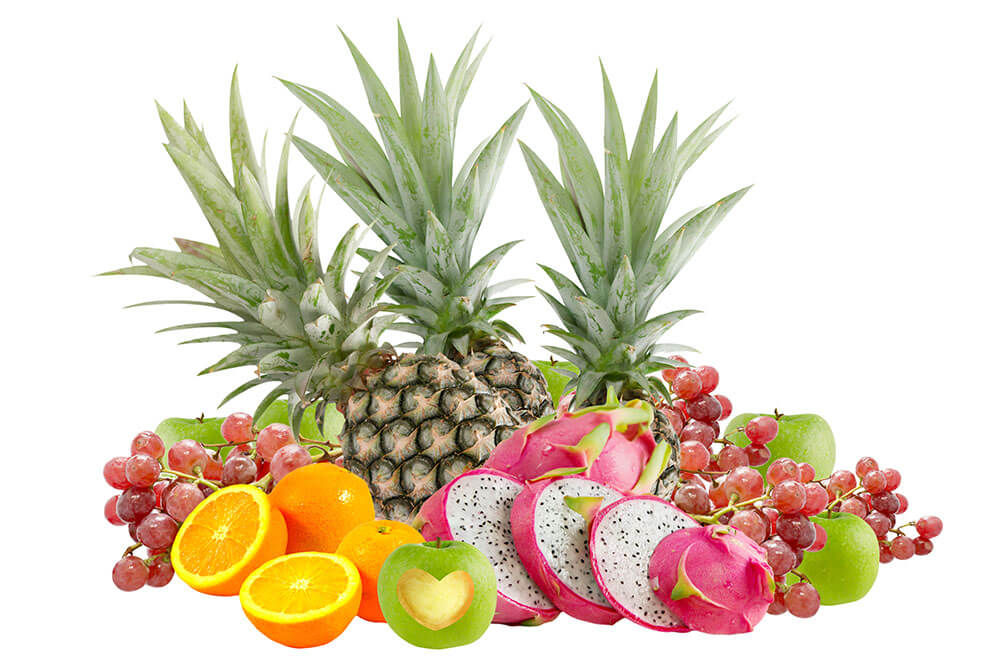
Vietnam has become an increasingly important source of tropical fruits for international markets. With a favorable climate, diverse growing regions, multiple harvest seasons, and a wide range of tropical fruits, Vietnam can offer international buyers competitive sourcing opportunities throughout the year.
For importers, wholesalers, distributors, supermarkets, foodservice companies, and fruit processors, sourcing fresh fruits from Vietnam can provide access to products such as dragon fruit, mango, passion fruit, coconut, banana, jackfruit, lychee, longan, pomelo, rambutan, mangosteen, pineapple, and avocado.
This guide provides an overview of Vietnam’s fresh fruit supply, major export products, harvest seasons, packaging, quality control, logistics, and the key information international buyers should consider when sourcing from Vietnam.
1. Why Source Fresh Fruits from Vietnam?
Vietnam has several advantages as a fresh fruit sourcing destination.
Diverse tropical fruit supply
Vietnam’s climate allows farmers to grow a wide variety of tropical and subtropical fruits. Depending on the region and season, buyers can source:
- Dragon fruit
- Mango
- Passion fruit
- Coconut
- Banana
- Jackfruit
- Durian
- Lychee
- Longan
- Pomelo
- Rambutan
- Mangosteen
- Pineapple
- Avocado
- Guava
- Star apple
- Soursop
- Tamarind
This diversity allows importers to develop multiple product lines from one sourcing market.
Multiple growing regions
Vietnam’s fruit production is distributed across several agricultural regions.
The Mekong Delta is particularly important for tropical fruit production, while the Central Highlands and other regions provide suitable conditions for products such as passion fruit, avocado, durian, and coffee-related agricultural crops.
Different growing regions also create opportunities to source products during different periods of the year.
Competitive sourcing opportunities
Vietnam has an established agricultural supply chain involving farmers, cooperatives, packing facilities, processors, exporters, logistics providers, and cold-chain companies.
For international buyers, this can create opportunities for both fresh and processed fruit sourcing depending on market requirements.
2. Major Vietnamese Fresh Fruits for Export
Dragon Fruit
Dragon fruit is one of Vietnam’s best-known tropical fruit exports.
Vietnam produces both white-flesh and red-flesh dragon fruit. The fruit is popular in Asian markets and has also attracted interest from buyers in other regions.
Typical commercial forms include:
- Whole fresh dragon fruit
- Selected export-grade fruit
- Red-flesh dragon fruit
- White-flesh dragon fruit
Export specifications can be customized according to buyer requirements, including fruit size, weight, appearance, packaging, and labeling.
Mango
Vietnam produces several mango varieties suitable for domestic consumption and export.
Depending on the variety and market, mangoes can be supplied at different maturity stages and packed according to the requirements of importers.
Mango is also one of the most versatile Vietnamese fruits because it can be supplied as:
- Fresh mango
- Frozen mango
- Diced mango
- Mango puree
- Dried mango
This gives buyers flexibility when developing fresh, frozen, or processed product lines.
Passion Fruit
Passion fruit is an important Vietnamese agricultural product, particularly from highland growing regions.
It can be supplied as fresh whole fruit or processed into products such as frozen passion fruit pulp and puree.
For international buyers, passion fruit can therefore be considered for both retail and food-manufacturing applications.
Coconut
Vietnam has a large coconut-growing area, particularly in the Mekong Delta.
Depending on the market, buyers may source:
- Fresh whole coconut
- Young coconut
- Drinking coconut
- Peeled coconut
- Frozen coconut
- Coconut meat
- Coconut water
Packaging and processing can be adapted to the requirements of the destination market.
Banana
Bananas are produced in many regions of Vietnam and can be supplied for both domestic and export markets.
Commercial export specifications normally consider:
- Variety
- Fruit size
- Maturity
- Bunch or cluster configuration
- Packaging
- Temperature requirements
- Transit time
Bananas require careful handling and temperature management because they continue to ripen after harvest.
Jackfruit
Jackfruit is another important tropical fruit from Vietnam.
Fresh jackfruit can be supplied as whole fruit, while processors can also produce frozen jackfruit segments, pulp, and other processed formats.
For buyers who face long transportation distances, frozen jackfruit may provide an alternative to fresh shipments.
Lychee and Longan
Lychee and longan are seasonal fruits with strong production in northern and southern Vietnam.
Because of their seasonality and relatively short post-harvest life, export planning is especially important.
Buyers should confirm:
- Harvest period
- Variety
- Fruit size
- Sugar level or quality specifications
- Packaging
- Pre-cooling requirements
- Transit time
- Destination-market requirements
Durian
Durian has become one of Vietnam’s most commercially significant tropical fruits.
Fresh durian is highly sensitive to maturity, handling, temperature, and market regulations. Exporters therefore need to coordinate harvesting, packing, quality inspection, documentation, and transportation carefully.
For some markets, frozen durian and processed durian products may provide additional sourcing options.
3. Vietnam Fresh Fruit Harvest Seasons
One of the most important factors when sourcing fresh fruit from Vietnam is seasonality.
Different fruits have different harvest periods, and production can vary by growing region.
A simplified example includes:
| Fruit | Main Supply Period* |
|---|---|
| Dragon fruit | Almost year-round, depending on region and production |
| Mango | Various periods depending on variety and region |
| Passion fruit | Multiple supply periods |
| Coconut | Year-round |
| Banana | Year-round |
| Jackfruit | Multiple harvest periods |
| Lychee | Mainly May–July |
| Longan | Different periods depending on region |
| Durian | Mainly seasonal, with regional variation |
| Rambutan | Mainly seasonal |
| Mangosteen | Mainly seasonal |
| Pineapple | Multiple production periods |
*Harvest periods can vary according to variety, province, weather conditions, farming practices, and production cycles.
International buyers should therefore confirm the actual availability and specifications before placing an order.
4. Fresh Fruit Quality Specifications
Fresh fruit is not normally purchased based only on the product name.
Professional buyers usually provide detailed specifications.
These may include:
Size and weight
For example:
- Fruit count per carton
- Individual fruit weight
- Size range
- Caliber
- Minimum and maximum weight
Appearance
Buyers may specify requirements for:
- Skin color
- Shape
- Surface appearance
- Bruising
- Scars
- Defects
- Insect damage
- Mold
- Foreign matter
Internal quality
Depending on the fruit, specifications may include:
- Brix
- Firmness
- Flesh color
- Juice content
- Dry matter
- Seed condition
- Maturity
Residue and food safety requirements
Depending on the destination market, buyers may require compliance with applicable food safety and maximum residue requirements.
For larger retail programs, buyers may also request farm traceability and third-party certifications.
5. Fresh Fruit Packaging for Export
Packaging plays an important role in preventing physical damage and maintaining product quality during transportation.
Common export packaging options include:
- Corrugated cartons
- Plastic crates
- Wooden or plastic pallets
- Mesh bags
- Individual fruit sleeves
- Trays
- Export cartons with customized printing
The appropriate packaging depends on the fruit, transportation method, destination, handling conditions, and buyer requirements.
For example, fragile fruits may require additional protection, while fruits transported under controlled temperature conditions need packaging that is compatible with cold-chain logistics.
Private-label packaging can also be considered for supermarket and retail buyers.
6. Cold Chain and Temperature Management
Temperature management is critical when exporting fresh fruits over long distances.
The appropriate temperature depends on the specific fruit.
Too high a temperature can accelerate ripening and reduce shelf life. However, temperatures that are too low can cause chilling injury in certain tropical fruits.
A typical export process may include:
Harvest → Sorting → Washing/Treatment → Grading → Packing → Pre-cooling → Cold Storage → Reefer Loading → Sea/Air Transportation → Import Clearance → Delivery
The exact process depends on the product and destination market.
Before shipment, the exporter and buyer should agree on:
- Temperature range
- Relative humidity
- Ventilation
- Packaging
- Pre-cooling procedure
- Reefer settings
- Expected transit time
- Shelf-life requirement
7. Fresh Fruit Shipping from Vietnam
Fresh fruits can be transported by air or sea depending on the product and destination.
Air freight
Air freight is generally suitable when:
- The product is highly perishable
- The buyer needs short transit time
- The shipment is relatively small
- The product has a high unit value
The main disadvantage is higher transportation cost.
Sea freight
Sea freight is generally more economical for commercial quantities and full-container shipments.
Depending on the product, exporters may use refrigerated containers to maintain the required temperature throughout transportation.
The appropriate transportation method should be determined based on the fruit’s shelf life and the expected transit time to the destination.
8. Fresh Fruit Export Documents
International fruit shipments generally require various commercial, customs, food-safety, and plant-health documents.
Depending on the product and destination market, documents may include:
- Commercial Invoice
- Packing List
- Bill of Lading or Air Waybill
- Certificate of Origin
- Phytosanitary Certificate
- Export customs documents
- Health or food-safety documentation where applicable
- Treatment certificates where applicable
- Other documents required by the importing country
Requirements differ significantly between markets.
For this reason, buyers should confirm the destination country’s import regulations before finalizing the product and shipment.
9. How Much Fruit Can You Import?
The appropriate order quantity depends on:
- Product
- Packaging
- Fruit size
- Carton dimensions
- Container type
- Destination
- Shelf life
- Buyer distribution capacity
International buyers can source fresh fruits in different quantities, from smaller trial shipments to commercial container orders.
For a new supplier relationship, a trial shipment can be useful for evaluating:
- Product quality
- Packaging performance
- Transit condition
- Customs clearance
- Supplier communication
- Final landed cost
Once the product and supply chain are approved, buyers can move toward regular container orders.
10. How to Source Fresh Fruits from Vietnam
A professional sourcing process normally follows several steps.
Step 1: Define your product requirements
Provide information such as:
- Fruit
- Variety
- Grade
- Size
- Quantity
- Packaging
- Destination
- Incoterm
- Required delivery period
The more detailed the specification, the more accurate the quotation can be.
Step 2: Identify suitable suppliers
Suppliers should be evaluated based on:
- Product availability
- Production capacity
- Export experience
- Packing facilities
- Quality control
- Certifications
- Traceability
- Previous export markets
Step 3: Confirm specifications and price
Before placing an order, the buyer and exporter should agree on:
- Product specifications
- Quantity
- Packaging
- Price
- Incoterm
- Payment terms
- Inspection requirements
- Shipment schedule
Step 4: Sample or trial shipment
For new supplier relationships, a sample or trial order can help verify whether the product meets the buyer’s expectations.
Step 5: Production and packing
Once the order is confirmed, the exporter coordinates harvesting, sorting, grading, packing, quality inspection, and transportation.
Step 6: Export and delivery
The shipment is prepared for customs clearance and transportation to the destination market.
11. Fresh vs Frozen vs Dried Vietnamese Fruits
Not every buyer needs fresh fruit.
Vietnam can supply fruits in several formats.
| Product Form | Main Advantage | Suitable Buyers |
|---|---|---|
| Fresh | Natural appearance and fresh-market positioning | Importers, supermarkets, wholesalers |
| Frozen | Longer storage and easier inventory management | Food manufacturers, distributors, foodservice |
| Dried | Long shelf life and easy transportation | Snack brands, retailers, distributors |
| Puree/Pulp | Convenient ingredient format | Beverage and food manufacturers |
Choosing the right format depends on the buyer’s market, distribution system, storage facilities, and target price.
12. What International Buyers Should Ask a Vietnamese Fruit Exporter
Before placing an order, buyers should ask the exporter for:
- Product specification
- Fruit variety
- Available size
- Harvest season
- Current availability
- Minimum order quantity
- Packaging options
- Product photos and videos
- Quality standards
- Certifications, if required
- Shelf life
- Storage temperature
- Loading quantity per container
- FOB/CIF or other quotation
- Lead time
- Export documents
- Previous export markets
- Sample availability
Providing these details early can significantly reduce the time required to prepare a quotation.
13. Why Work with ELOVA?
ELOVA is a Vietnam-based fruit exporter supplying Vietnamese fresh, frozen, and dried fruits to international buyers.
We work with Vietnamese fruit suppliers and production partners to provide products according to buyer requirements, including product specifications, packaging, quantity, quality requirements, and destination-market needs.
Our sourcing approach focuses on finding suitable Vietnamese supply rather than offering only a fixed product list.
This allows international buyers to discuss their requirements with us and explore suitable Vietnamese fruit products for their market.
ELOVA can support buyers with:
- Vietnamese fresh fruit
- Vietnamese frozen fruit
- Vietnamese dried fruit
- Product sourcing
- Supplier coordination
- Product specifications
- Export packaging
- Quality inspection coordination
- Export documentation
- International shipping coordination
- Trial shipments
- Container shipments
14. Request a Vietnamese Fruit Export Quotation
Looking for fresh fruits from Vietnam?
Send us your requirements, including the fruit, variety, quantity, packaging, destination country, and preferred delivery period.
ELOVA can review your requirements and provide suitable Vietnamese fruit options and an export quotation.
ELOVA – Vietnamese Fruit Exporter
Fresh Fruits | Frozen Fruits | Dried Fruits
Email: jason.cao@elova.com.vn
WhatsApp: +84 867 569 168
Website: export.elova.com.vn
Contact ELOVA today to discuss your Vietnamese fruit sourcing requirements.
